Evergreen Mountain Home Winterization Basics
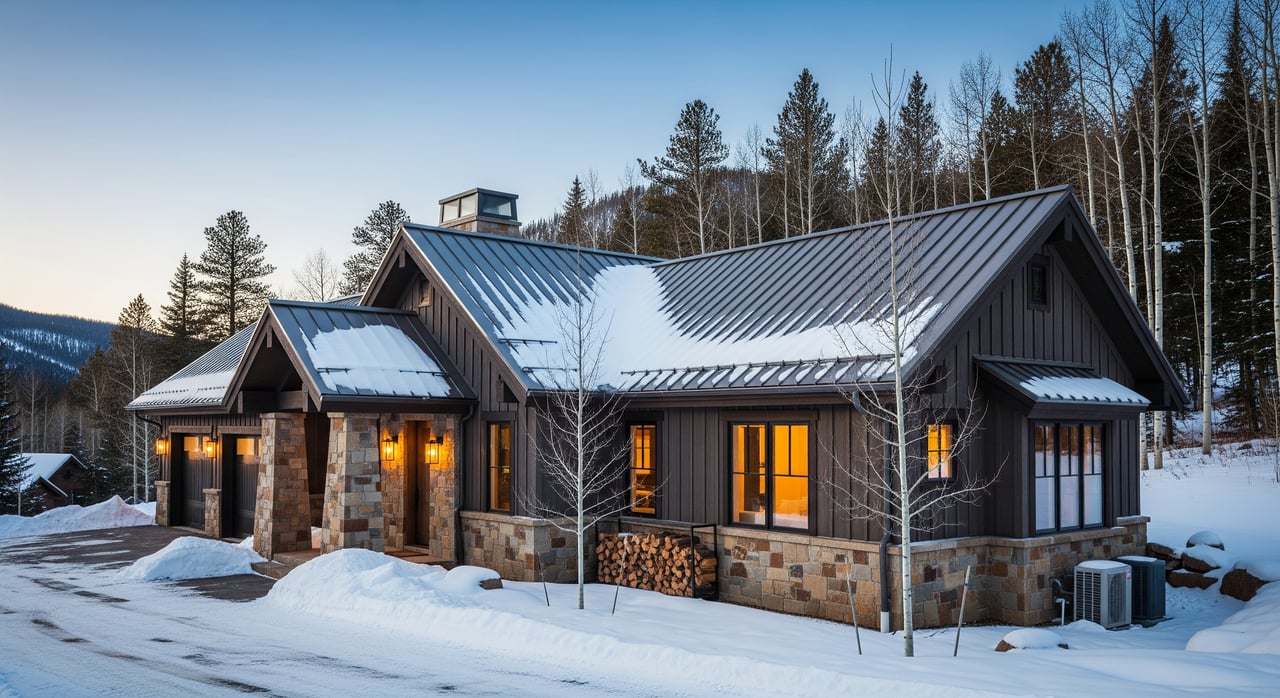
Cold snaps arrive early in Evergreen. At 7,000 to 8,000 feet, you face colder nights, bigger temperature swings, and snow that can show up in October and hang around into spring. If you want a safe, comfortable season with fewer surprises, a little planning now will save you stress later. In this guide, you will get a clear checklist for insulation touchpoints, driveway and snow planning, generator readiness, and smart thermostat settings tailored to Evergreen’s mountain climate. Let’s dive in.
You live with longer stretches below freezing, frequent freeze and thaw cycles, and wind‑driven snow. Short, intense storms can pile up fast, and drifting can block driveways or load roof edges. That is why insulation, access planning, and backup power matter more here than on the plains.
Use late summer and early fall to handle big projects and schedule service visits. Early fall is perfect for gutter work, pipe insulation, and locking in a snow‑removal plan. Before the first major storm, stock fuel and traction materials, review alerts, and confirm your emergency kit. Keep an eye on forecasts and winter advisories through the season. The National Weather Service is a reliable starting point.
Your goal is to reduce heat loss, avoid ice dams, and protect plumbing. Focus on the areas that leak the most heat.
Warm air that escapes into the attic melts roof snow, which refreezes at the eaves and creates ice dams. Check that you have continuous insulation and a good air barrier around penetrations like recessed lights and chimneys. Balanced ventilation, such as soffit plus ridge or gable vents, keeps the roof deck cold and helps control melt.
The band of wood around the floor system is a common draft source. Seal gaps with closed‑cell spray foam or rigid foam board with sealed seams. In crawlspaces, manage vents per code, add a vapor barrier if needed, and seal openings where rodents enter.
If ducts run through unheated spaces, seal joints with mastic or UL‑rated foil tape and add insulation wrap. This keeps conditioned air warm and helps prevent condensation or freezing where temperatures drop.
Replace worn weatherstripping and adjust or replace door thresholds. Caulk gaps around exterior window and door trim. If you feel drafts, add door sweeps and consider insulated drapes to improve comfort.
Insulate exposed water lines in garages, crawlspaces, and exterior walls. Heat tape on vulnerable runs can help when installed by a pro. Protect hose bibs, label the main shutoff inside, and know how to drain exterior lines.
Clear leaves and debris from gutters. Check flashing around chimneys and valleys. If ice dams have been an issue, tackle attic air leaks and insulation first. Roof‑edge heat cables are a supplemental solution and should be used only where needed and installed per manufacturer guidance.
Evergreen neighborhoods often include private roads and steep driveways. The right plan will keep you mobile when the snow flies.
Find out if your access road is county maintained or private. Many mountain roads and all private driveways are the owner’s responsibility. Check local HOA guidelines if applicable for rules on snow storage and contractor access.
When hiring, ask for proof of insurance, local references, and a written plan for large events. Clarify who handles sidewalks, steps, and any damage to landscaping or mailboxes.
Designate places to pile snow so you do not block sightlines, drive access, or drainage paths. If your driveway is steep, consider traction surfacing or a plan for sanding. Create or mark a turnaround area so you can get out even after a heavy push.
Avoid spreading salts near wells, cisterns, or sensitive landscaping. Follow any HOA or neighborhood rules about de‑icer use.
Mountain driving brings traction requirements on major routes during storms. Review Colorado’s traction law now and keep chains or approved snow tires on hand. Pack a car kit with a blanket, small shovel, traction aids, water, and snacks.
Storm‑related outages are more common in mountain communities due to wind, ice, and tree contact with lines. A generator can keep heat, water, and communications online.
Have a licensed electrician size your system with a load calculation and install a transfer switch or interlock. This protects you, the utility crews, and your equipment.
Propane is common for standby units in the foothills. Order early and confirm supplier lead times before storms. Portable units using gasoline or diesel need safe storage and fresh fuel rotation. Follow local fire codes for storage quantities and location.
Never run a generator indoors or in a garage, even with the door open. Position it outside and away from doors, windows, and vents. Install and test carbon monoxide alarms, and teach everyone the symptoms of CO exposure. For outage preparation and safety basics, see Ready.gov guidance on power outages and CPSC tips for portable generators.
Smart controls help you maintain comfort and avoid freeze‑ups, especially if you travel or have a part‑time residence.
Smart thermostats offer remote temperature checks and low‑temperature alerts to your phone. Geofencing and schedules can save energy without letting the home get too cold. Integrations with leak sensors and cameras add early warning. If internet fails during a storm, most thermostats still operate locally, but remote features pause. Learn more about choosing models with ENERGY STAR’s smart thermostat guidance.
If the home is occupied, set temperatures for comfort. If you are away, keep a conservative minimum of 50 to 55 degrees Fahrenheit, especially if pipes run through unheated spaces or the home is older with limited insulation. In very exposed homes, err warmer.
Turn on low‑temperature alerts and share them with a trusted local contact. Pair the thermostat with smart water leak sensors at the main line, water heater, and near floor drains. Consider cellular backup for connectivity or arrange neighbor check‑ins when you are gone.
Make sure the thermostat and heating system are on circuits served by your generator. If your HVAC uses electric heat strips or other high‑draw components, confirm generator sizing covers those loads.
Use this to organize your next steps and track progress.
Preparing now protects your comfort and your home, and it also protects your property value. If you are thinking about listing in the coming months, a well‑maintained, winter‑ready home shows better and reduces buyer concerns. For local guidance on what to prioritize and how to position your home for a strong sale, reach out to Savvy Property Group.





From our upscale and extensive marketing and home staging services on our listings, to our individually tailored home-buying services and our expertise in real estate negotiations, we want you to have a 5-star experience working with us. We are proud to say that is what we have consistently delivered, and as a result have worked with many of our clients in multiple transactions over the years.