Choosing Between Urban And Suburban Denver Living
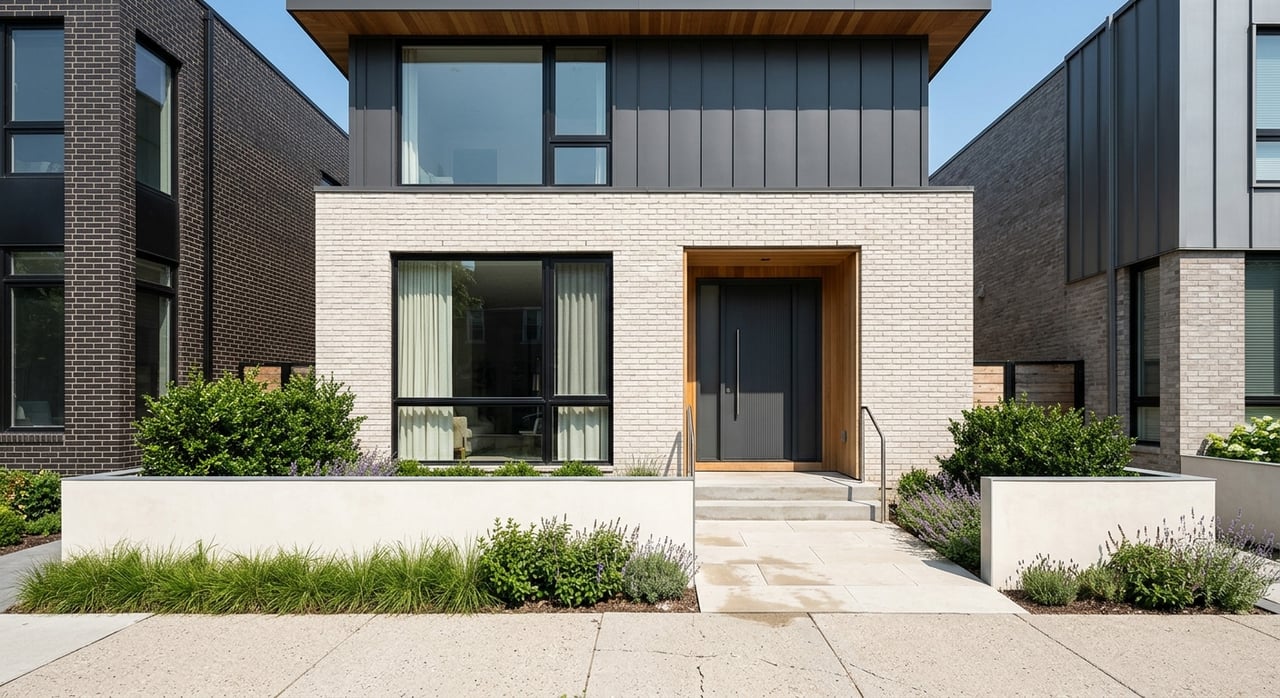
Wondering whether Denver city living or a suburban address will fit your life better? You are not alone, and the answer is rarely as simple as “urban” versus “suburban.” In the Denver area, the real choice usually comes down to your daily priorities, like commute, walkability, housing style, and access to outdoor space. This guide will help you sort through those tradeoffs so you can make a confident move. Let’s dive in.
In Denver, urban and suburban living are better viewed as points on a spectrum than two completely separate lifestyles. The city’s planning framework includes urban, urban edge, and suburban contexts, which reflects how varied residential living can be across the metro area.
That matters because your experience can change a lot from one part of Denver to another, and from one suburb to the next. Some areas offer easier transit access and more walkable daily routines, while others lean toward more space, yard potential, and a greater need to drive.
Regional planning in the Denver area also ties housing and transportation closely together. The practical takeaway for you is simple: focus less on labels and more on how a location supports your real day-to-day life.
For many buyers, commute is one of the first things to compare. In the Denver region, that comparison should be more specific than just city versus suburb.
Denver’s citywide mean travel time to work is 24.9 minutes. Nearby suburban cities are not dramatically different in many cases, with Lakewood at 25.5 minutes, Littleton at 25.1 minutes, Arvada at 26.1 minutes, and Centennial at 25.9 minutes.
A few suburban locations trend longer. Aurora comes in at 28.6 minutes, and Thornton reaches 30.4 minutes, which shows why it helps to map your likely route instead of assuming every suburb adds a major time burden.
RTD’s rail system connects downtown Denver with the wider district through 201 vehicles, more than 60 miles of track, and 57 stations. That gives central Denver and some inner suburbs stronger transit access than many outer-ring areas, even though the metro remains car-oriented overall.
If you want more walkability and better odds of using transit, Denver often stands out. The city’s planning approach emphasizes complete neighborhoods, which can support shorter trips for daily errands, recreation, and commuting.
This can be especially appealing if you want to spend less of your week behind the wheel. Closer-in suburbs may offer some of the same convenience, but the level of access can vary a lot by location.
A suburban move does not automatically mean a painful commute. Several suburban cities in the Denver area have average commute times that stay close to Denver’s own citywide average.
If your job location lines up well with a highway corridor, transit stop, or a specific suburban area, you may find that you can gain more space without giving up too much convenience. That is why route planning matters more than assumptions.
Housing is another area where the urban-versus-suburban debate gets more nuanced. Denver is actively working to expand housing choice, including broader accessory dwelling unit access in residential areas.
That points to one of Denver’s strengths: flexibility. Depending on the neighborhood, you may find a wider mix of housing types and ownership patterns than you would in more ownership-heavy suburban cities.
Owner occupancy data helps show that difference. Denver’s owner-occupied share is 48.8%, compared with 58.1% in Lakewood, 61.2% in Littleton, 62.4% in Aurora, 71.4% in Thornton, 75.3% in Arvada, and 80.6% in Centennial.
That does not mean every suburb is more affordable. Median values of owner-occupied homes are $616,000 in Denver, $574,400 in Lakewood, $630,600 in Littleton, $632,600 in Arvada, $658,100 in Centennial, $469,100 in Aurora, and $517,500 in Thornton.
One of the biggest mistakes buyers make is assuming suburban automatically means lower cost. In the Denver area, that simply is not always true.
Centennial, Arvada, and Littleton all show higher median owner-occupied home values than Denver. Aurora and Thornton come in lower, which is a good reminder that price depends on the specific city and housing type, not just whether it is inside Denver city limits.
If you want flexibility, Denver may offer more variety in housing mix. If you are looking for a more ownership-heavy market, many suburban cities may better match that goal.
The key is to compare the kind of home you want, the budget you want to stay within, and how much flexibility matters to your future plans. A condo, townhome, detached home, or property with ADU potential can lead you toward very different parts of the metro.
Outdoor access is a major reason many people choose the Denver area in the first place. The good news is that both Denver and surrounding suburbs offer strong options, but the experience is not exactly the same.
Denver Parks & Recreation reports nearly 20,000 acres of urban and mountain parkland, along with off-street trails, parkways, natural areas, and 30 recreation centers. That often supports a daily lifestyle built around nearby parks, bike routes, and walkable recreation.
In west-metro suburbs, Jefferson County Parks & Open Space reports more than 58,000 acres preserved and more than 275 miles of trail. For many buyers, that can make larger open spaces and regional trail systems feel more immediate.
If you picture quick walks, neighborhood parks, bike paths, and easy access to recreation during the week, Denver may feel like a strong fit. The city’s outdoor network supports frequent, everyday use.
This can be ideal if you want recreation built into your normal routine instead of planning around a weekend drive. It is a different kind of convenience than living near larger open space systems.
If you want trail networks and open space to feel closer to home, some suburban areas may stand out more. This is especially true in west-metro locations tied into Jefferson County’s parks and trail system.
For buyers who want larger natural areas to be part of daily life, that suburban pattern can be very appealing. It often feels less about small park access and more about room to roam.
Your best fit depends on what matters most in your everyday routine. There is no one-size-fits-all answer, but there are some clear patterns.
If you care most about walkability, transit access, and keeping commute options flexible, Denver or closer-in suburbs may deserve the strongest look. The city’s planning priorities and the commute data both support that direction.
This can be a smart fit if you want your neighborhood to do more of the work for you each day. In many cases, that means easier access to errands, recreation, and transportation choices.
If you are drawn to a more ownership-heavy market or want to prioritize more conventional suburban homeownership patterns, suburban cities may rise to the top of your list. Just keep in mind that price varies widely.
Some suburban cities may offer better value for your needs, while others may cost more than Denver. It pays to compare city by city instead of relying on broad assumptions.
If you work remotely or only commute part of the week, you may be able to give less weight to drive time and more weight to space, housing flexibility, and outdoor access. In that case, both Denver and the suburbs can make sense for different reasons.
Denver may appeal if you want more housing variety and an active daily rhythm. Suburban areas may appeal if you want larger open space systems or a different balance between home and lifestyle needs.
If you are trying to narrow down your options, start with the tradeoffs you will feel most often. The right choice usually becomes clearer when you focus on daily use instead of broad impressions.
Use this checklist as a starting point:
Choosing between urban and suburban Denver living is really about choosing your preferred balance. Denver tends to offer the strongest mix of transit access, walkability, and housing flexibility, while many suburbs offer more ownership-heavy markets and easier access to larger trail systems.
The best move for you depends on which tradeoffs matter most, whether that is commute, space, outdoor access, or a blend of all three. If you want help comparing Denver neighborhoods and suburban options with a clear, local perspective, connect with Savvy Property Group for personalized guidance.

From our upscale and extensive marketing and home staging services on our listings, to our individually tailored home-buying services and our expertise in real estate negotiations, we want you to have a 5-star experience working with us. We are proud to say that is what we have consistently delivered, and as a result have worked with many of our clients in multiple transactions over the years.