Selling A Colorado Front Range Home Successfully

Wondering whether now is the right time to sell your foothills home in Colorado? You are not alone. Selling here is different from selling in a typical suburban neighborhood, and details like snow, access, views, and property systems can shape both buyer interest and your closing timeline. If you want a smoother sale and a stronger first impression, it helps to plan for foothills reality from day one. Let’s dive in.
Let's look at Evergreen as an example and how it is not a one-size-fits-all market. Recent market snapshots showed 240 homes for sale, 86 new listings, a median sale-to-list ratio of 0.984, and 19 median days to pending in late May 2026. Redfin’s May 2026 snapshot also showed a median sale price of $888,268 and 19 median days on market.
That pace tells you buyers are active, but it does not mean every home will sell the same way. In Evergreen, buyers often pay close attention to access, exterior condition, setting, and how manageable the property feels year-round. A mountain home that looks prepared tends to inspire more confidence than one that feels uncertain or weather-dependent.
You can sell a foothills home in any season, but timing matters more here than it does in flatter Front Range markets. NOAA climate normals for the upper foothills show average annual snowfall of 80.8 inches, with notable snow not just in winter but also in March, April, and November.
That means spring does not always behave like spring. Even if buyer demand stays steady, weather can affect photography, showings, driveway conditions, and the way your exterior spaces present online. If you want to list during a colder or shoulder season, build in time for extra prep rather than assuming conditions will cooperate.
Upper foothills area NOAA normals show average snowfall of 17.0 inches in March and 14.9 inches in April. For sellers, that means snow removal and safe access may still matter well after many buyers start thinking about the spring market.
A buyer who arrives to a slick driveway, unclear parking, or buried walkway may remember the inconvenience more than the home itself. Keeping access simple and obvious helps your property feel easier to own, which is a big part of the value story in a mountain market.
The Colorado Division of Real Estate notes that lockboxes can make showings easier when a seller is unavailable, though sellers may opt out and require a broker to be present. The same guidance also warns against sharing access information with unauthorized third parties.
In practice, that means your showing plan should be clear before the home goes live. You will want a system for entry, timing, and communication, along with realistic backup options if weather delays travel or if plowing is needed before a showing window.
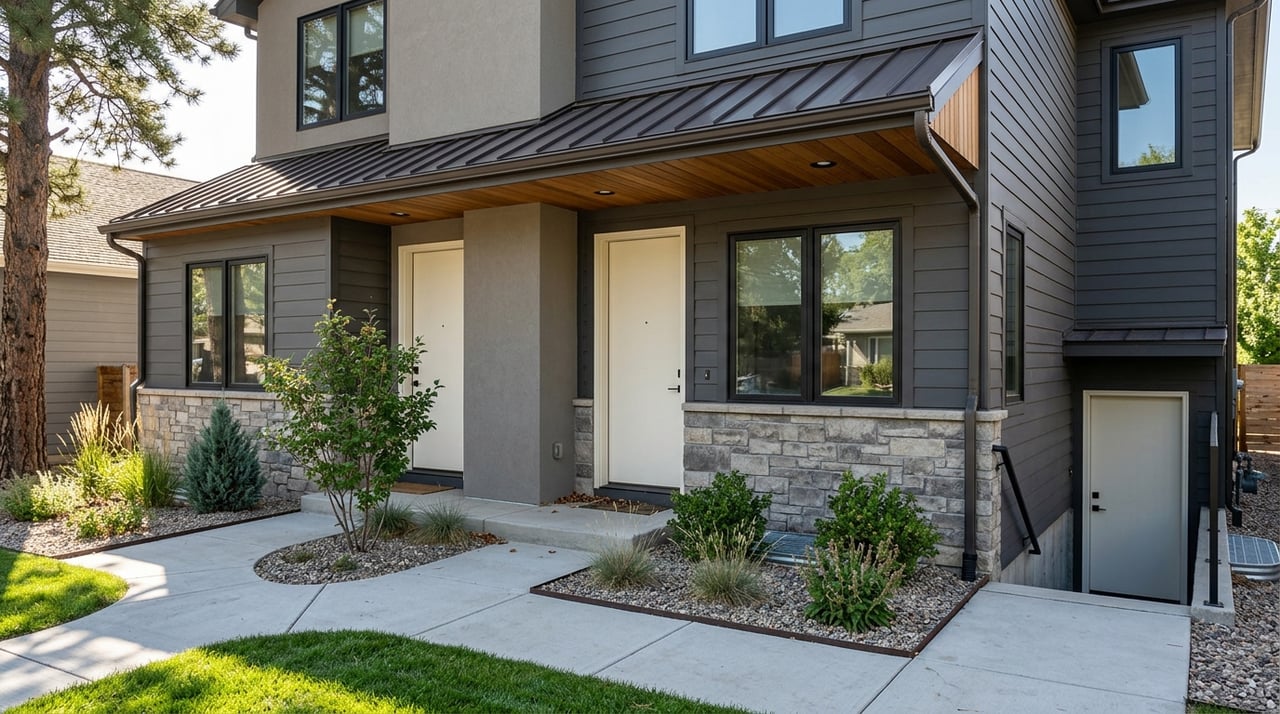
When looking at mountain or foothills real estate, buyers are often evaluating more than square footage and finishes. They may also be looking at roof condition, deck usability, drainage, driveway maintenance, retaining walls, and how the home sits on the land.
That is why pre-listing prep should focus on visible maintenance first. Cosmetic touches can help, but they should not distract from bigger condition cues that influence buyer confidence.
Colorado’s current Seller’s Property Disclosure asks about foundations, driveways, retaining walls, roof age and material, drainage, water intrusion, water and well details, and any radon mitigation system. Those are not small details in a mountain setting. They are central to how buyers understand the property.
Before listing, walk the exterior with a critical eye. If your roof, decks, siding, windows, driveway, or retaining walls show wear, it may be worth addressing visible issues or at least organizing documentation so buyers can better understand the home’s condition and maintenance history.
If your property includes sheds, detached garages, barns, fences, or other accessory structures, treat them as part of the listing story. Jefferson County’s wildfire code specifically addresses detached accessory structures, barns, and fences in its rules and exemptions.
That does not mean every structure needs major work before you list. It does mean buyers will notice them, photograph them, and factor them into their view of upkeep, safety, and long-term ownership.
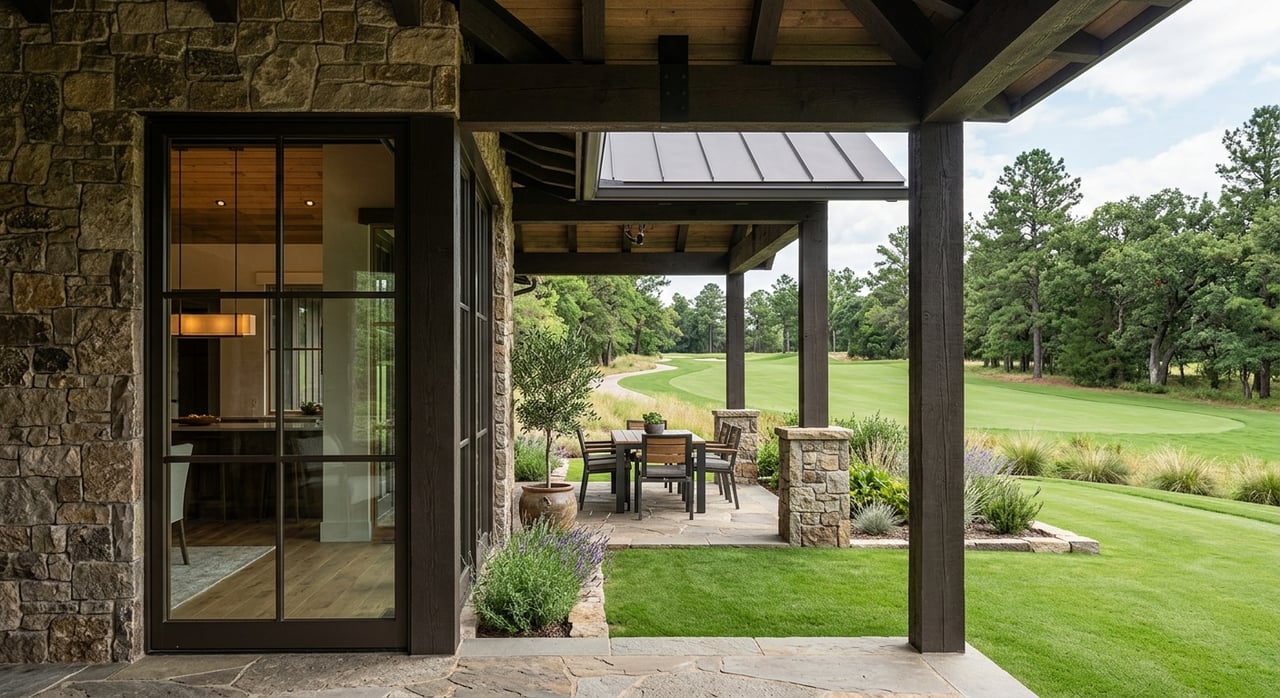
A mountain or foothills home often sells the feeling of the setting as much as the structure itself. Clean sightlines, natural light, and a clear sense of how indoor and outdoor spaces connect can make a meaningful difference in buyer response.
That is especially important online, where many buyers first decide whether a home is worth seeing in person. In a market like Evergreen, visuals need to communicate not just the house, but the lifestyle and practicality of the property.
The 2025 Profile of Home Staging found that 83% of buyers’ agents said staging made it easier for buyers to visualize a home. The same report found that photos were important to buyers at a rate of 73%, while videos and virtual tours mattered at 48% and 43%, respectively.
For your home sale to be set up for success, that supports a simple strategy. Clear window lines, reduce visual clutter, and make decks, patios, and view-facing rooms feel intentional and usable. When the setting is part of the value, your presentation should help buyers see it immediately.
This is where professional photography, cinematic walkthroughs, and thoughtful staging can help your home stand out. Instead of relying on buyers to imagine the potential, strong marketing materials can show them how the home lives, how the views frame each space, and how exterior areas function.
For a mountain or foothills property, that kind of presentation is not just about polish. It helps reduce hesitation by making the home feel both beautiful and understandable.
One of the smartest things you can do before listing is gather paperwork early. In these areas, buyers may have questions about water, septic, radon, and wildfire mitigation long before they write an offer.
If you wait until inspection to start tracking down records, your timeline can get tighter fast. Organized documentation helps reduce stress and gives buyers fewer reasons to feel uncertain.
If your property is served by an onsite wastewater treatment system, Jefferson County says a Use Permit is generally required for the sale of any property with a system installed more than five years before the permit application. The county’s use-permit packet says each tank must be pumped and each system inspected before applying.
That makes septic paperwork a high-priority item before listing. If your home has a septic system, gathering records and understanding permit timing early can help you avoid last-minute surprises.
Colorado’s Source of Water Addendum requires sellers to identify whether the property is served by a well, a water provider, or neither. The state seller disclosure form also includes water and well prompts.
In a mountain market, buyers and lenders often want clarity on potable water before closing. If your property uses a well or has water-related reports, having those records ready can keep the transaction moving.
The Colorado Department of Public Health and Environment says radon is a naturally occurring gas that enters from the soil, and about half of Colorado homes test above the EPA action level of 4 pCi/L. Colorado real estate rules now require sellers to disclose whether radon tests were conducted, the most recent radon records, any mitigation or remediation performed, whether a mitigation system is installed, and a current CDPHE radon brochure.
If you have prior test results or a mitigation system, gather those materials before your home hits the market. That way, you are ready to answer questions clearly instead of scrambling once a buyer is under contract.
Wildfire readiness is an important part of selling in Jefferson County. The county says it has the second-highest wildfire risk of any county in Colorado and greater wildfire risk than 98% of U.S. counties.
Its Wildfire Resiliency Code uses defensible-space zones of 0 to 5 feet, 5 to 30 feet, and 30 to 100 feet from structures. The county also notes that structure-hardening standards apply to exterior work such as roofing, gutters and downspouts, vents, siding, windows and doors, and decks.
You do not need to overwhelm buyers with technical language, but you should present the home as maintained and cared for. Clearing the immediate foundation area, reducing excess vegetation near the home, and documenting any completed mitigation work can support that message.
This is especially helpful because wildfire readiness is not just about compliance. It also affects how buyers judge risk, upkeep, and future costs.
If you want to simplify the process, focus on the steps that have the biggest impact first. The best listings tend to combine pricing strategy, property prep, and organized documentation.
Here is a smart starting checklist:
The best listings make mountain living feel manageable. Buyers want to see the beauty, of course, but they also want reassurance that the home is well maintained, accessible, and documented.
When you combine clear pricing, strong presentation, visible upkeep, and organized records, your home stands out for the right reasons. That is how you help buyers focus on the value of the property instead of the possible complications.
If you are thinking about selling your mountain home in the Colorado foothills area, Savvy Property Group can help you build a smart strategy with thoughtful presentation, data-driven pricing, and polished marketing designed to showcase what makes your property stand out.


From our upscale and extensive marketing and home staging services on our listings, to our individually tailored home-buying services and our expertise in real estate negotiations, we want you to have a 5-star experience working with us. We are proud to say that is what we have consistently delivered, and as a result have worked with many of our clients in multiple transactions over the years.