Highlands Ranch Move-Up Sellers Planning Guide
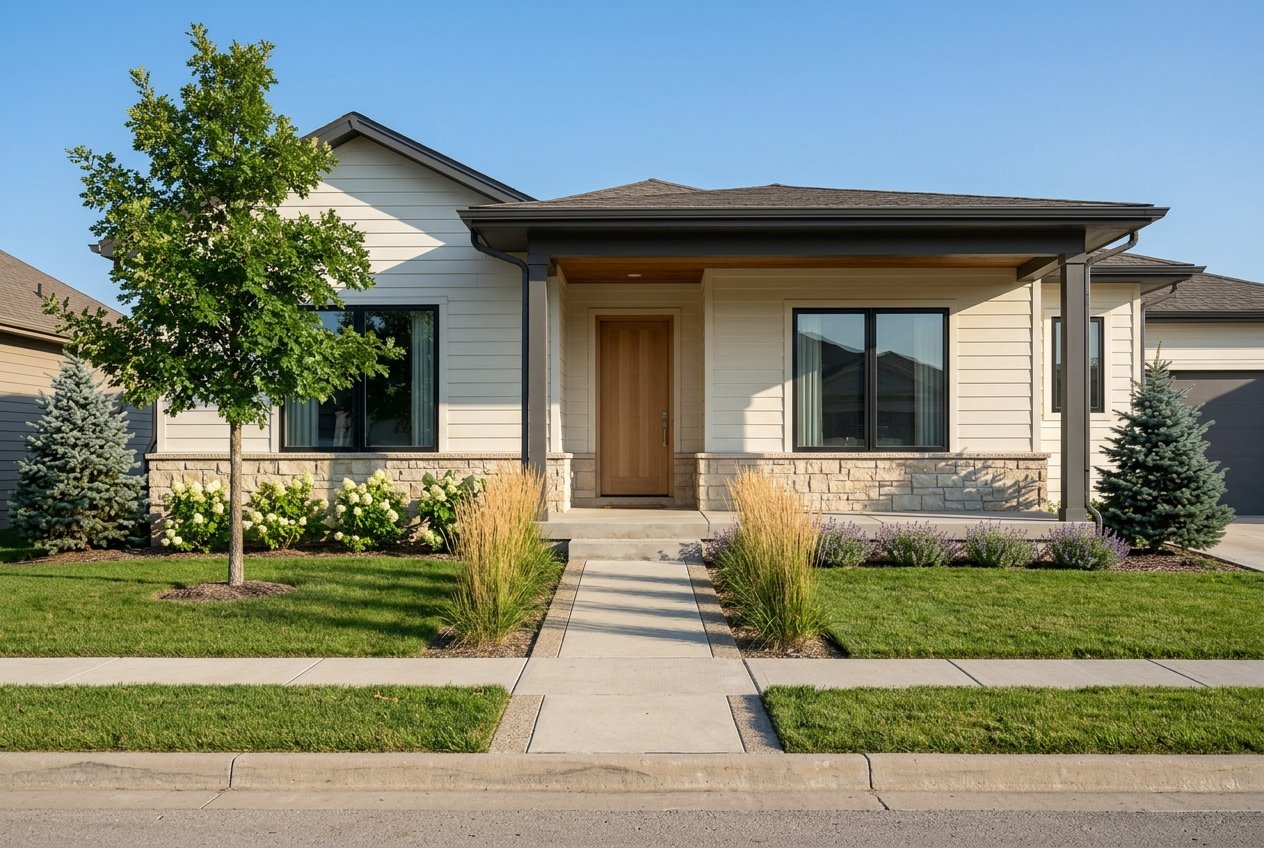
Wondering how to move from your current Highlands Ranch home into the next one without getting stuck between two closings? You are not alone. Many move-up sellers in the south Denver suburbs have solid equity, clear goals, and a bigger-home wish list, but the hard part is timing the sale and purchase well. This guide walks you through the main sequencing options, what they mean for your cash flow and leverage, and how to build a plan that fits today’s market. Let’s dive in.
Highlands Ranch is a large master-planned community in Douglas County, about 12 miles south of Denver. For move-up sellers, that location matters because your sale and your next purchase are often happening within the same broader south metro market, where timing can shift quickly from one neighborhood and price point to another.
Recent market data show a market that still rewards preparation. In the three months ending May 2026, Redfin reported a median sale price of $707,077 in Highlands Ranch, with homes averaging 12 days on market. Nearby Littleton averaged 18 days on market with a median sale price of $629,123, which shows active demand but not a market where you should assume every step will line up perfectly.
That is why your move-up plan should focus on three things: timing risk, cash flow, and negotiation leverage. If you can manage those well, you give yourself a much smoother path from one home to the next.
Before you list, it helps to answer a few practical questions. How much equity do you expect from your current home? How much cash do you want to keep available for the next down payment, closing costs, and moving expenses?
You also need a clear target for your next purchase. CFPB guidance notes that sellers often need their next-home budget defined early, and preapproval helps clarify what you can comfortably buy. In a market where multiple offers can still happen, knowing your numbers before your current home goes live can make your next move more decisive.
A simple move-up roadmap usually includes:
For many homeowners, selling first is the most straightforward option. CFPB says homeowners normally try to sell their current home before buying another one, and there is a good reason for that. It usually reduces financial strain because you avoid carrying two housing payments at once.
This route can work especially well if you want to protect your cash reserves and keep your next purchase budget grounded in actual sale proceeds. You also reduce the chance of feeling rushed into a price reduction on your current home because you are trying to solve two problems at the same time.
The main challenge is the timing gap. If your current home sells before your next home is ready, you may need temporary housing, a short-term rental arrangement, or a post-closing occupancy agreement to bridge the gap.
You may prefer this path if:
Sometimes the right replacement home appears before your current home is under contract. In that case, buying first may help you secure the next property before it is gone. That can be especially appealing if you have very specific needs for size, layout, or location.
The tradeoff is complexity. CFPB mortgage rules recognize temporary bridge loans with terms of 12 months or less for borrowers planning to sell a current dwelling within 12 months. While that can help with timing, it also adds underwriting, payment, and closing-cost considerations.
Buying first can give you more control over the move itself, but it works best when you are financially prepared for the overlap. You need to be comfortable with added moving parts and have a realistic backup plan if your current home takes longer to sell than expected.
You may lean this way if:
If you need both transactions to work together, contingencies can help. Colorado’s Division of Real Estate says Commission-approved contract forms can be made contingent on certain items, and those terms should be specific enough to avoid misunderstandings.
For move-up sellers who are also buying, a home-sale or home-close contingency may give you time to complete your current sale before closing on the next home. That can reduce pressure and help protect your finances if your sale is delayed.
These terms matter because they can shape your leverage in a negotiation. Research also notes that continue-to-show and kick-out language can help the seller of the home you want keep options open if a stronger offer appears, so your offer may be less competitive than a non-contingent one in some cases.
When considering a contingent offer, focus on:
A short rent-back, also called post-closing occupancy, can be a useful tool when your sale closes before your next move is ready. In this setup, the buyer purchases your current home, but you remain in the property for an agreed period after closing.
This can be one of the cleanest ways to create a small buffer between transactions. If your next purchase is already lined up, a rent-back may give you enough time to close, move, and avoid a rushed transition.
The details matter. Research notes that the arrangement should be in writing, insurance planning should be addressed, and lender approval may be needed. Many lenders do not accept leasebacks longer than about 60 days, so this is generally best for a short bridge, not a long-term solution.
One of the biggest move-up seller challenges is deciding how much to invest in the current home before listing. You want strong presentation and pricing power, but you also want to keep cash available for the next purchase.
That is where Compass Concierge may help. According to Compass, sellers can choose value-adding services, complete the work before listing, and pay when the home sells or after 12 months, with no payment due until close, subject to program terms and possible fees or interest depending on the state.
For a move-up seller, this can support improvements like paint, flooring, or staging-related updates without pulling from the reserves you may need for your next home. It is a practical way to prepare your home to compete while still protecting liquidity.
If timing is delicate, a softer listing launch may also be worth considering. Compass says Private Exclusives make a listing visible to its network of agents and serious buyers before the home goes public.
For a seller coordinating a sale and purchase, that early phase can provide useful signals. You may gauge interest, test timing, and begin conversations without adding public days on market or building a visible price-drop history before a full launch.
That does not replace a full market strategy, but it can be a helpful first step when you want more control over how and when your home enters the market.
Even in an active market, buyers still compare condition, pricing, and presentation closely. Highlands Ranch homes may be moving relatively quickly, but a move-up seller should not count on a frictionless sale without preparation.
This is where a full-service approach matters. Thoughtful staging, professional photography, cinematic video, and a pricing strategy grounded in current market behavior can help you attract stronger interest early. Better interest often leads to better options when you are trying to coordinate your next move.
The goal is not just to sell. It is to sell in a way that gives you maximum flexibility for the next step.
If you are preparing to move up from Highlands Ranch, this checklist can help you organize the process:
A strong plan will not remove every variable. It will, however, make each decision clearer and reduce the chance that timing issues derail your goals.
If you are weighing your next move in Highlands Ranch or the broader south Denver suburbs, the best first step is a strategy conversation based on your equity, timeline, and target purchase. The right plan can help you move with more confidence, protect your proceeds, and keep your options open. When you are ready, connect with Savvy Property Group for a personalized move-up selling strategy.





From our upscale and extensive marketing and home staging services on our listings, to our individually tailored home-buying services and our expertise in real estate negotiations, we want you to have a 5-star experience working with us. We are proud to say that is what we have consistently delivered, and as a result have worked with many of our clients in multiple transactions over the years.